
-

Brain Dump Are you feeling overwhelmed with all the thoughts and tasks that are cluttering your mind? Is it hard to focus on one task when there is a never-ending…
Continue Reading » -

Mindful Journaling One of the easiest ways to practice mindfulness is through journaling. This practice can help you build a healthy habit that can transform your life. There are many…
Continue Reading » -

How to Create a Healthy Work-Life Balance Whether you’re an employee or an employer, a healthy work life balance is essential for your personal success as well as that of…
Continue Reading » -

Important Steps to Achieve Self-empowerment Self-empowerment is the process of taking control of your own life and feeling more confident in your abilities. It involves having a clear understanding…
Continue Reading »

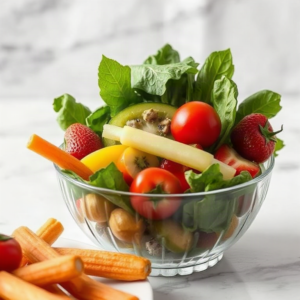
Healthy Eating and Disease Prevention Connections: Food Patterns
Healthy eating and disease prevention are connected through food patterns that influence blood pressure, blood sugar regulation, blood lipids, inflammation, digestion, and body weight over time. The strongest practical pattern emphasizes vegetables, fruit, legumes, whole grains, nuts, seeds, and suitable protein sources while limiting heavily processed foods high in sodium, added sugars, and saturated fat.
Read More »
Healthy Living Habits That Support Long-Term Wellness
Healthy living habits support long-term wellness most reliably when they combine regular movement, nutritious meals, sufficient sleep, meaningful relationships, and preventive healthcare in a routine that can survive busy or difficult weeks. Consistency matters more than perfection: a daily walk, repeatable meal choices, and a stable wake time usually offer…
Read More »
Gut Healthy Foods for Everyday Meals: Ferments and Fiber
Gut healthy foods for everyday meals work best when fiber-rich plants and fermented foods are added gradually to familiar breakfasts, lunches, and dinners. Oats, beans, lentils, vegetables, fruit, nuts, seeds, yogurt with live cultures, kefir, and fermented vegetables provide fermentable carbohydrates, varied plant compounds, or beneficial microbes.
Read More »
Healthy Liver Diet Foods and Meal Choices for Daily Eating
A healthy liver diet centers on foods and meal choices that emphasize vegetables, whole fruits, legumes, whole grains, fish, and unsaturated fats while limiting alcohol, sugary drinks, refined carbohydrates, and heavily processed meat. Fiber-rich meals can improve fullness and make weight management easier, while replacing saturated fat with olive oil…
Read More »
Finding Joy in Cooking Healthy Meals Through Flavor, Choice, and Simple Rituals
Finding joy in cooking healthy meals comes from making the process rewarding before the food reaches the table: choose ingredients you genuinely like, use bold flavor builders, simplify preparation, and create small kitchen rituals that feel inviting.
Read More »
The Effects of Eating Too Late at Night: Symptoms, Causes, and Better Timing
Eating too late at night may worsen reflux, disrupt sleep, raise overnight blood sugar, and make excess calorie intake more likely, especially when a large meal is eaten shortly before lying down. The effects depend on meal size, food composition, bedtime, medical conditions, and whether late eating is occasional or habitual.
Read More »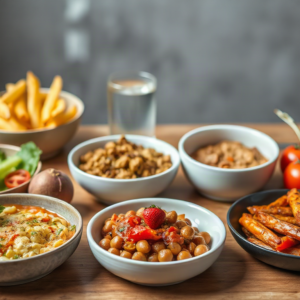
How to Build a Meal Plan Around Your Schedule: Timing, Foods, and Prep Steps
Build a meal plan around your schedule by mapping when you can realistically shop, cook, eat, and store food before choosing recipes. Match meals to each day’s available time: cooked dishes for open evenings, assembled meals for busy periods, and portable foods for commutes or irregular breaks.
Read More »
What to Do If You’re Struggling With Emotional Eating: Triggers, Steps, and Support
If you’re struggling with emotional eating, pause before acting, identify whether the urge reflects physical hunger or an emotional trigger, and choose a response that addresses both nourishment and distress without punishment. Regular meals can reduce vulnerability caused by intense hunger, while a brief trigger log may reveal links involving…
Read More »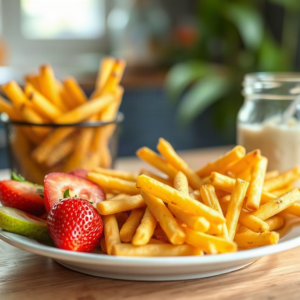
Snacks in a Balanced Diet (Purpose, Portions, and Pairing Examples)
Snacks in a balanced diet can bridge long gaps between meals, provide needed nutrients, and prevent hunger from becoming distracting, but they are optional rather than a dietary requirement. Useful snacks usually combine protein, fiber, or unsaturated fat, such as yogurt with fruit or vegetables with hummus, because these pairings…
Read More »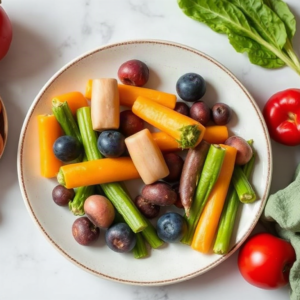
How to Incorporate Seasonal Produce Into Your Meals: A Market-to-Plate Method
Incorporate seasonal produce into your meals by checking what is locally abundant, choosing a few versatile fruits and vegetables, and assigning each one to dishes you already cook. Build meals around flexible formats such as grain bowls, soups, sheet-pan dinners, salads, and fruit-topped breakfasts rather than searching for a new recipe for every item.
Read More »